Railroad Tie Retaining Wall: Pros, Cons & Cost
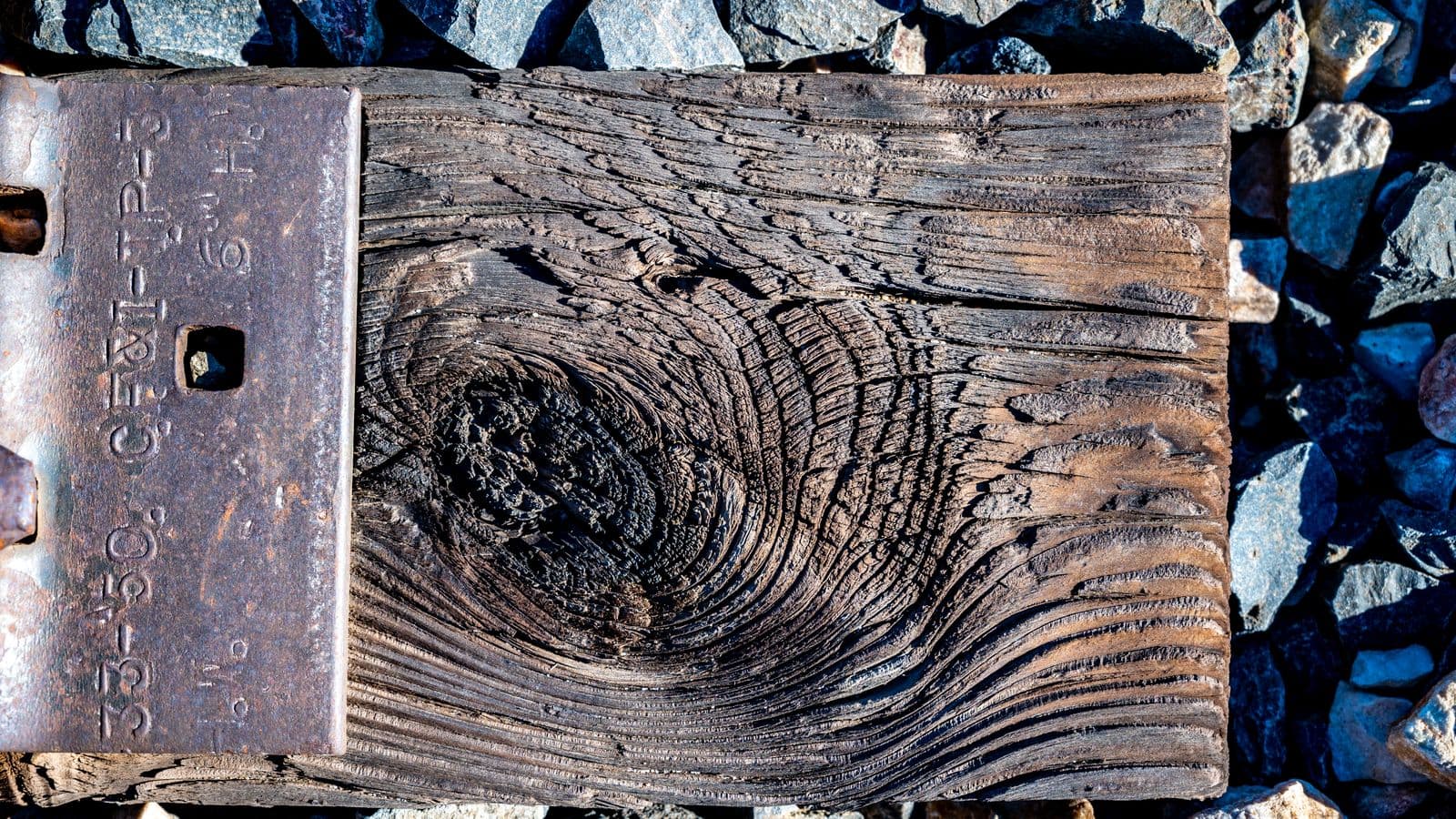
A short slope, a Saturday, and a stack of timbers from the lumberyard — that's the appeal of a railroad tie retaining wall. It's the material homeowners reach for when they want a wall built this weekend, not next season. But "cheap and fast" comes with a trade-off, and a lot of DIYers only find out what it is after the wall starts leaning. This guide weighs the real costs, the real lifespan and the real limits of timber, so you can decide honestly whether it fits your slope — or whether you'll wish you'd chosen block or concrete instead.
- Installed cost runs $20–$40 per sq ft of wall face — the cheapest of the mainstream options.
- Expect 15–25 years of service life before rot and insect damage take hold, with the base course going first.
- Walls under 3 ft with no surcharge are the sweet spot; past that you need deadman tie-backs.
- Most building departments require engineering once a wall exceeds 4 ft in retained height, per the International Code Council's IRC Section R404.
- Creosote-treated ties are classed a restricted use pesticide by the EPA and shouldn't go near food gardens or waterways.
- Deadmen need to run 4–6 ft into the backfill, spaced every 6 ft vertically and 6–8 ft horizontally.
What exactly is a railroad tie retaining wall?
"Railroad tie wall" gets used loosely, and it covers two quite different products.
The first is new landscape timber — pressure-treated pine or fir, milled to a consistent 6x6 in or 8x8 in section, sold specifically for retaining walls and raised beds. It's treated with modern preservatives (usually micronised copper azole or ACQ), not creosote, and it's the safer, more predictable choice for anyone building today.
The second is a genuine reclaimed railway sleeper — oak, fir or pine, roughly 7 ft x 8 in x 8 in, weighing around 200–250 lbs, and typically soaked in creosote during manufacture to survive decades under a rail line. These get sold cheap by salvage yards and demolition contractors, and they're the ones people picture when they say "railroad tie wall." They're structurally tough but chemically messy — more on that below.
Either way, the wall itself is built the same way: horizontal courses of timber, stacked and pinned together with rebar or timber spikes, battered slightly back into the hill, with compacted gravel backfill and drainage behind the face.
What it costs (and why it's cheap)
At $20–$40 per sq ft installed, timber undercuts every other common wall type. Compare it against the alternatives homeowners usually cross-shop:
| Material | Installed cost (per sq ft) | Typical lifespan | Best-use case |
|---|---|---|---|
| Railroad tie / timber | $20–$40 | 15–25 years | Short walls, budget DIY, temporary landscaping |
| Segmental block | $25–$45 | 50+ years | Mid-height garden and driveway walls |
| Poured concrete | $29–$85 | 75–100 years | Tall, structural, or load-bearing walls |
| Dry-stacked boulder | $15–$35 | 50–100+ years | Naturalistic slopes, rural sites with rock on hand |
Timber's cost advantage comes from the material, not the labour. A 6x6 landscape timber costs a fraction of a comparable run of segmental block or a concrete pour, and there's no footing to excavate to code depth the way concrete needs. Where the price catches up is in fittings: galvanised spikes, rebar pins, geotextile fabric, and — critically — the labour to dig in deadman tie-backs and hand-compact backfill in lifts. Skip those steps to save a day's labour and you've built a wall that looks finished but isn't.
Run your own numbers with the retaining wall cost calculator or the timber-specific calculator — both let you compare timber against block and concrete at your actual wall height, not a generic average.
How long a timber wall actually lasts
15–25 years is the honest range for pressure-treated timber in most US climates. Where you land in that range depends on three things: moisture, soil contact and species.
The bottom course sits wettest and rots first — it's often the first visible failure point, bulging or crumbling while the courses above still look fine. Ground contact accelerates decay because the wood never fully dries between rain events. Fungal decay and insect damage (termites and carpenter ants both go after buried timber) do the rest. In wetter regions — the Pacific Northwest, the Gulf Coast, the Southeast — expect the low end of that range. In dry inland climates, well-drained walls can push toward 25 years or a little beyond.
Genuine creosote railway sleepers often outlast modern pressure-treated pine because creosote is a more aggressive, deeper-penetrating preservative than today's copper-based treatments. That's part of why reclaimed ties are appealing — but it's also why they carry the environmental caveats covered below.
One real-world data point: a homeowner in the Slopeify community rebuilt a 3.5 ft timber wall in 2024 that had been installed in 2006 — 18 years earlier, almost exactly on the middle of the expected lifespan. The base course had rotted through and the wall had bowed about 4 in out of plumb. Nothing dramatic happened; it just quietly reached the end of its service life on schedule, which is about as good an outcome as timber gives you.
Where timber makes sense — and where it doesn't
Timber earns its place on some jobs and is the wrong call on others. Being honest about which is which saves you a rebuild.
It works well when:
- The wall is under 3 ft and carries no surcharge (no driveway, patio or structure loading the top of the slope).
- The site is low-traffic and the landscaping plan itself has a shelf life — you're not expecting the yard to look the same in 25 years anyway.
- You're building it yourself on a tight budget and can commit a weekend to doing the backfill and drainage properly.
It's the wrong choice when:
- The wall needs to retain over 3 ft — you're now into deadman tie-back territory, and past roughly 4 ft most jurisdictions require an engineered design under IRC Section R404.
- It sits near a vegetable garden or well — creosote-treated ties leach into soil over time.
- You're building in a seismic zone — timber lacks the ductile connections and mass that give block and concrete walls better performance under lateral shaking.
- You want a 30-year-plus structure — block or poured concrete carries a higher upfront cost but a far lower lifetime cost per year of service.
For a deeper side-by-side on how these trade-offs play out across all three main materials, see Block vs Concrete vs Timber Retaining Walls: How to Choose. And if you're weighing whether a wall failure risk is worth the savings, Why Retaining Walls Fail (and How to Avoid It) covers the mechanics in more depth.
Deadman anchors: the difference between a wall and a pile of lumber
A stacked timber wall with no reinforcement behind it is really just a retaining gravity structure relying on its own weight — fine for very short walls, but it runs out of capacity fast as height (and the soil pressure behind it) increases.
Deadmen solve that. They're timber sections laid perpendicular to the wall face, buried back into the compacted backfill, that anchor the wall against tipping or bowing forward. For anything over about 3 ft, you need them running 4–6 ft into the backfill, spaced roughly every 6 ft vertically and 6–8 ft horizontally across the wall face.
"Retaining walls... over 4 feet in retained height... shall be designed in accordance with accepted engineering practice to ensure stability against overturning, sliding, excessive foundation pressure and water uplift." — International Code Council, IRC Section R404
Skipping deadmen is the single most common reason timber walls fail early — not rot, not insects, just soil pressure pushing an unanchored stack of timber slowly forward until it tips. If you're not confident sizing and placing deadmen for your slope, that's a job worth a quick call to a local pro rather than a guess.
"Timber walls fail almost exactly the way you'd expect a pile of unanchored lumber to fail — slowly, then all at once. The anchors aren't optional extras; they're what makes it a retaining structure instead of a fence." — Slopeify's engineering advisors
Creosote, safety and the environmental angle
If you're buying reclaimed railway ties because they're cheap, know what you're getting. Creosote is a coal-tar-derived wood preservative, and the EPA classifies it as a restricted use pesticide, meaning it can only be applied to wood by certified applicators, and the agency has classified the chemicals in creosote and their contaminants as known or probable carcinogens. It's approved for outdoor structural uses like railroad ties and utility poles — but not for anything that contacts food, feed or drinking water.
That matters for retaining walls because homeowners routinely use them to terrace vegetable beds or build raised planters right against the wall face. Creosote leaches slowly into adjacent soil, especially in the first several years after installation and faster in wet, acidic soil. A cheap stack of ties bought from a salvage yard for a garden terrace is exactly the wrong combination — several homeowners have learned this only after soil testing showed elevated PAH levels near an old tie wall.
The practical takeaways: use new, code-compliant pressure-treated timber (not creosote) anywhere near food crops or standing water, keep genuine railway ties for ornamental or non-edible landscaping only, and if you're not sure what you've bought, treat it as creosote until proven otherwise.
The verdict: is a railroad tie wall worth it?
Timber earns its reputation honestly on both sides. For a short garden terrace or a budget DIY project under 3 ft, it's genuinely the most sensible material — cheap, fast, forgiving to build, and easy to replace section by section when it does eventually fail. The catch is that "eventually" arrives on a fairly predictable 15–25 year clock, and skipping deadmen or ignoring the height limit turns that predictable decline into an unpredictable, sudden one.
Where it stops making sense is anywhere the stakes are higher: near a driveway or structure, in a seismic zone, next to food crops, or on any wall you want to still be standing in 40 years. At that point the labour and design requirements start converging with block and concrete anyway, and the gap in upfront cost matters a lot less once you annualise it over the wall's life. Before you commit either way, run your dimensions through the wall design calculator to see how timber, block and concrete actually compare at your specific height and length — and once it's built, keep it on a simple annual check using this maintenance checklist so rot and lean get caught early rather than late.
FAQs
How long do railroad ties last in a retaining wall?
Most pressure-treated timber walls last 15–25 years before rot, insect damage and weathering compromise them structurally. The bottom course, which stays wettest, typically fails first. Genuine creosote railway sleepers can last somewhat longer, but bring the environmental caveats covered above.
Are railroad tie retaining walls legal?
Yes, but with limits. Most jurisdictions allow them without a permit under about 4 ft in retained height with no surcharge, following the exemption structure in the IRC. Creosote-treated ties are restricted from food-contact and interior uses by the EPA, so check local rules before using them near a vegetable garden.
Can you use railroad ties for a vegetable garden retaining wall?
It's not recommended if the ties are creosote-treated, since creosote is an EPA-classified restricted use pesticide that can leach into adjacent soil. New pressure-treated landscape timber (ACQ or copper azole, not creosote) is a safer choice for edible garden terracing.
How tall can a railroad tie retaining wall be without an engineer?
Most codes exempt unsurcharged walls under roughly 4 ft in retained height from requiring engineered plans, but timber specifically needs deadman tie-backs once it exceeds about 3 ft. Above 4 ft, expect your local building department to require an engineered design regardless of material.
What's cheaper, railroad ties or concrete blocks?
Railroad ties are cheaper upfront, at roughly $20–$40 per sq ft installed versus $25–$45 for segmental block. Block closes the gap over time because it lasts 50+ years against timber's 15–25, so the annualised cost often favours block for anything meant to be permanent.
Base width, factors of safety, materials and cost, all free.